

August 12, 2026
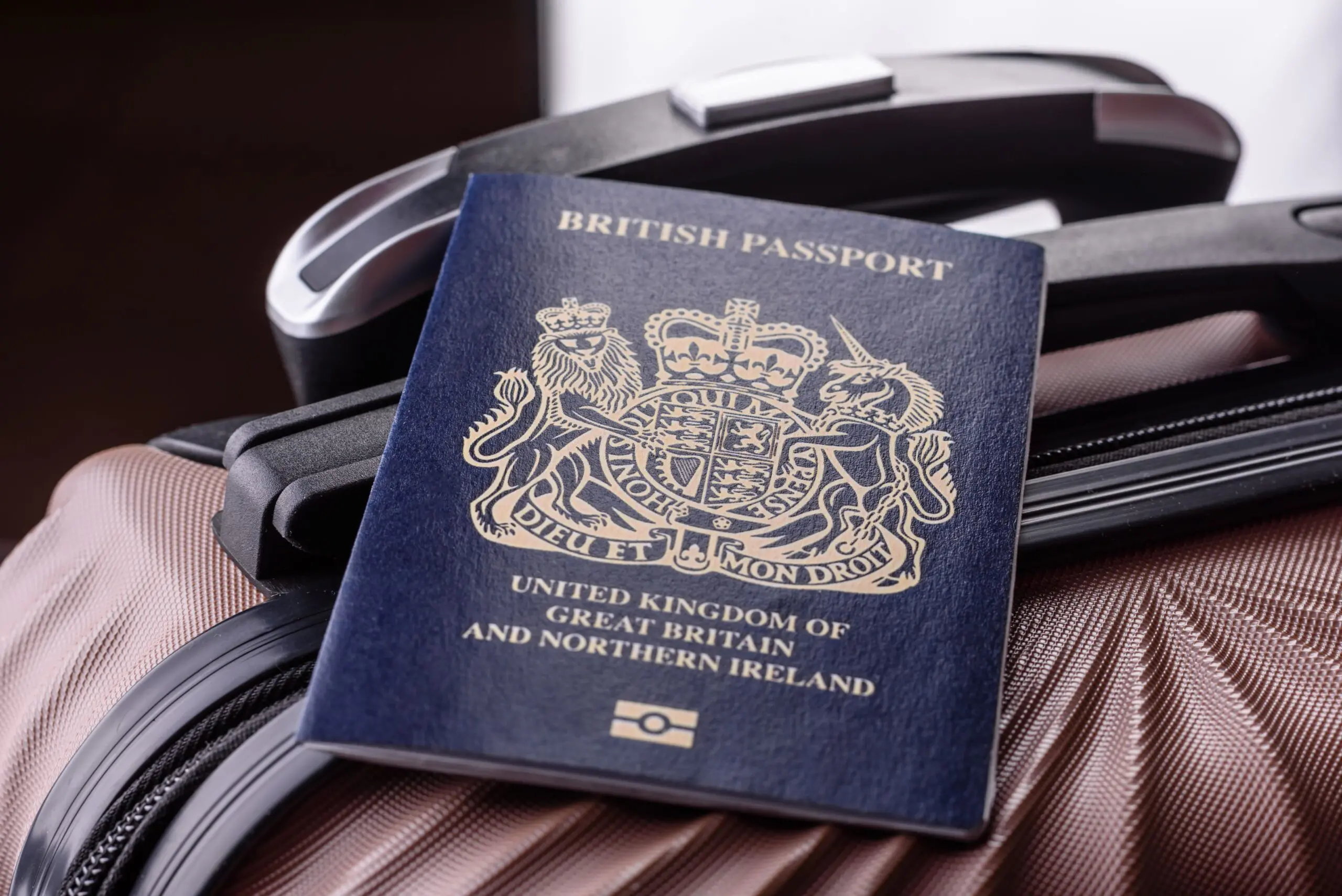
What it actually means to have residency ties to both the UK and France: the tax residency tests each country uses, what happens when both claim you, and the separate legal residence questions for UK nationals in France and French nationals in the UK. Brought to you by the immigration team at LegalMova.
Before anything else, it’s worth separating two questions that get lumped together constantly. Tax residency asks which country has the right to tax your income, and it’s entirely possible for both the UK and France to claim you simultaneously under their own domestic rules. Legal residence status asks whether you have the right to live in a country at all, which for a UK national in France or a French national in the UK is a completely separate, immigration-law question with its own post-Brexit answer.
Most guides on this topic focus almost entirely on the second question, the Brexit residency card process. That’s covered below, but the tax residency mechanics are where the most common misunderstandings actually live, so that’s where this guide starts.
This is worth being precise about, since it’s one of the most repeated pieces of inaccurate folklore in cross-border planning. There is no general 183-day rule in French domestic tax law. French tax residency is governed by Article 4B of the French tax code, which sets out four independent tests, and meeting just one of them is enough to make you a French tax resident:
The “183 days” figure that genuinely does appear in the UK-France tax treaty is in Article 15, and it addresses a narrow, specific question: whether a UK-resident employee working temporarily in France owes French tax on that short-term employment income. It’s not a general residency test, and treating it as one is exactly the kind of mix-up that leads people to badly misjudge their actual exposure.
The UK applies its own Statutory Residence Test (SRT). You’re automatically UK tax resident if you spend 183 or more days there in a tax year, if the UK is your only or main home, or if you work full-time there. Short of meeting one of those automatic conditions, a sufficient ties test takes over, combining days spent in the UK with how many qualifying ties you still hold (family, accommodation, work, and prior UK residence history). For someone who was recently UK-resident and retains several ties, this test can trigger UK tax residency with as few as 16 days spent in the UK during the year, a threshold that catches a lot of people off guard.
If you meet both countries’ domestic residency tests in the same year, the France-UK double tax treaty resolves the conflict through a cascading set of tie-breaker rules, applied in order until one produces a clear answer:
One point worth being clear about: resolving which country has the primary right to tax a given piece of income doesn’t automatically remove your obligation to file in both countries. The treaty prevents you from actually being taxed twice on the same income, generally through credits or exemptions, but it doesn’t necessarily eliminate the paperwork itself in either jurisdiction.
If you were living in France before January 1, 2021, you’re likely covered by the Withdrawal Agreement rather than the standard non-EU visa system, and you hold (or should hold) a Withdrawal Agreement Residence Permit (WARP). Two versions exist: a 5-year card for those with under 5 continuous years of French residence by the end of 2020, and a 10-year “séjour permanent” card for those who had already reached that threshold. Once you hold the 10-year card, no further renewal is needed until it expires.
Renewal timing varies by prefecture, but generally needs to start 2 to 4 months before expiry. A detail worth flagging clearly, since it’s a common point of confusion: WARP renewal requires no B2 French language test and no NAT civic exam. Those 2026 requirements apply specifically to naturalization applications, not to maintaining Withdrawal Agreement residence status, and WARP holders face no language or integration assessment of any kind to keep their existing rights.
It’s also worth knowing what WARP status doesn’t cover. Your rights under the Withdrawal Agreement are specific to France: you’re still subject to the standard 90/180-day Schengen rule when traveling to other EU countries. WA rights also don’t let you bring a new spouse or partner into France, that still runs through the standard family reunification process, and don’t open access to fonctionnaire (French civil service) positions reserved for French and EU nationals.
If you’re a UK national moving to France for the first time now, you’re not covered by the Withdrawal Agreement at all, and you’ll need to go through the standard long-stay visa process like any other non-EU national, which we’ve covered in a separate guide.
The mirror-image situation for French nationals in the UK runs through the EU Settlement Scheme (EUSS). The main application deadline was June 30, 2021, but late applications are still being accepted where the applicant can show “reasonable grounds” for missing it, a policy the Home Office has confirmed remains in force. Settled status functions similarly to Indefinite Leave to Remain, giving unrestricted rights to live, work, and access the NHS, and opens a path to British citizenship after holding it for 12 months, or immediately if married to a British citizen.
For UK pensioners splitting time toward France or relocating there, the S1 form is worth knowing about specifically. It lets the UK continue funding your healthcare through the French system rather than requiring separate French social security contributions, and you register it with your local CPAM once in France. It’s free to apply for and holds no cost. One practical detail worth planning around: registration specifically in France can take 3 to 6 months, so many people keep temporary private cover in place during that gap rather than assuming coverage starts immediately.
Can I really be a French tax resident with fewer than 183 days spent there? Yes. French tax residency depends on four independent tests, and the “principal place of stay” test is comparative, not a fixed day count. If France is where you spend more time than any other single country, that alone can make you a French tax resident regardless of the exact number of days.
Does the France-UK tax treaty mean I only have to file in one country? Not necessarily. The treaty determines which country has the right to tax specific income and prevents double taxation, but it doesn’t automatically remove the filing obligation in either country.
Do I need to pass the new French language and civic exam to renew my Brexit residency card? No. Those requirements apply to naturalization applications only. WARP renewal involves no language test and no civic exam.
I missed the 2021 EU Settlement Scheme deadline. Am I out of options? Not necessarily. Late applications are still being accepted in 2026 where reasonable grounds for missing the deadline can be demonstrated.
Can I move to France now under the Withdrawal Agreement if I wasn’t already living there before 2021? No. Withdrawal Agreement protection only applies to those who were already resident before January 1, 2021. Moving to France today as a UK national means going through the standard non-EU long-stay visa process.
Every situation is different depending on where your home, work, and family actually are, and whether the question is really about tax residency, legal residence status, or both at once. Our team at LegalMova helps clients work through exactly this kind of cross-border complexity every day.
Book your free consultation with our team and let us assess your situation in full. No commitment, no jargon, just clear answers about where you actually stand between the UK and France.